


Ledinula edosus - Shiitake
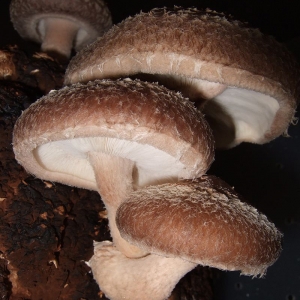
The Ledinula edosus or shitake is an edible mushroom native to East Asia, which is cultivated and consumed in many Asian countries. It is considered a medicinal mushroom in some forms of traditional medicine.


Hericium sp
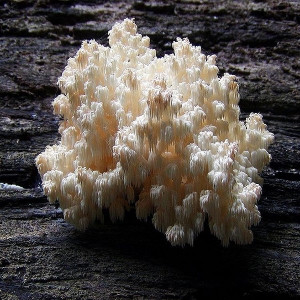
Hericium is a genus of edible mushrooms in the family Hericiaceae. Species in this genus are white and fleshy and grow on dead or dying wood; fruiting bodies resemble a mass of fragile icicle-like spines that are suspended from either a branched supporting framework or from a tough, unbranched cushion of tissue. This distinctive structure has earned Hericium species a variety of common names—monkey's head, lion's mane, and bear's head are examples.


Clavariadelphus sp
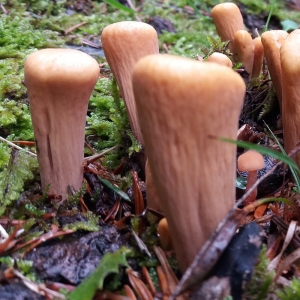
Clavariadelphus is a genus of club fungi in the family Clavariadelphaceae. The genus has a widespread distribution in temperate areas, and contains an estimated 19 species. The name might mean uterus-shaped club, from the Latin clava meaning club and the Greek delphus meaning uterus.The mushroom is edible and has a sweet taste. The species is high in nutrition and can be used for cooking. It has a pleasant odor and can be sauteed and served for dessert.


Pleurotus Ostreatus
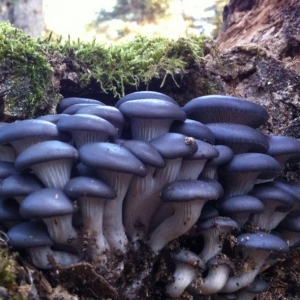
Pleurotus ostreatus, the pearl oyster mushroom or tree oyster mushroom, is a common edible mushroom. It is related to the similarly cultivated king oyster mushroom. The oyster mushroom is one of the more commonly sought wild mushrooms, though it can also be cultivated on straw and other media. It has the bittersweet aroma like of bitter almonds.


Laetiporus Sulphureus
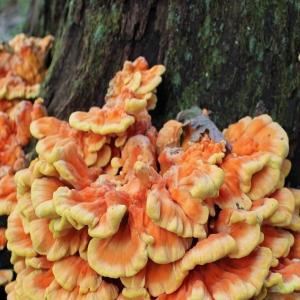
Laetiporus sulphureus Forest chicken is an uncommon, infantile, parasitic fungus that can occur at any time of the year, except in the winter. It carries on dead or live trees of broadleaf species, usually oak trees, chestnuts and poplars, but also in fruit-bearing, overlapping carnosoma in which it causes brown rot in the trunk and roots.


Amanita Caesarea
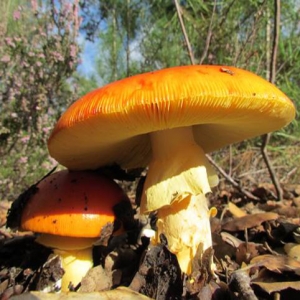
Amanita caesarea, commonly known as Caesar's mushroom, is a highly regarded edible mushroom in the genus Amanita, native to southern Europe and North Africa. It has a distinctive orange cap, yellow gills and stipe.




Grifola Frondosa
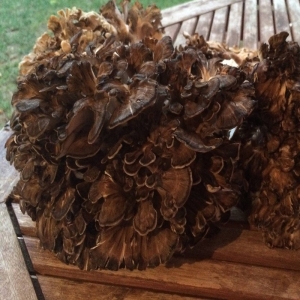
The rather common, Grifola frondosa, carries in summer and autumn, trunks and roots of live and dead broad-leaved and rarely coniferous species. The young carrots are extremely delicious, grown in Japan and China where they are widely used in their kitchens.


Russula sp
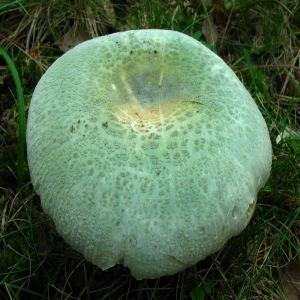
Around 750 worldwide species of ectomycorrhizal mushrooms compose the genus Russula. They are typically common, fairly large, and brightly colored – making them one of the most recognizable genera among mycologists and mushroom collectors. Their distinguishing characteristics include usually brightly coloured caps, a white to dark yellow spore print, brittle, attached gills, an absence of latex, and absence of partial veil or volva tissue on the stem.


Leucopaxillus Giganteous
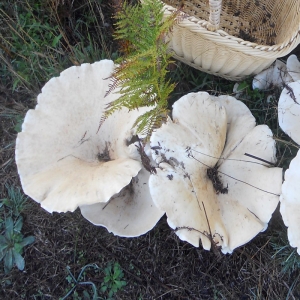
Leucopaxillus giganteus, commonly known as the giant leucopax (formerly as the giant clitocybe) or the giant funnel, is a saprobic species of fungus in the Tricholomataceae family. As its common names imply, the fruit body, or mushroom, can become quite large—the cap reaches diameters of up to 40 cm. It has a white or pale cream cap, and is funnel-shaped when mature, with the gills running down the length of the stem.


Calocybe Gambosa
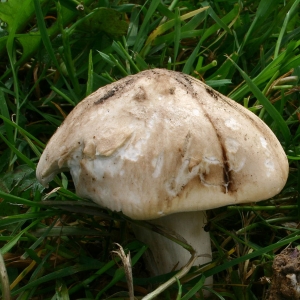
Calocybe gambosa is considered a delicacy, accompanies excellent dishes with risotto and omelettes, especially when fried in butter, certainly has enough flavor to make delicious soups or sauces combined with chicken or pork.
Fruition: April - June


