


Fungi Hellas mobile app
H Fungi Hellas για ενημέρωση όλων των μανιταρόφιλων σχετικά με νέες καρποφορίες άγριων μανιταριών, τρούφας, χόρτων & βοτάνων στέλνει ενημερώσεις στην ΔΩΡΕΑΝ εφαρμογή για κινητές συσκευές.
Ενημερωθείτε άμεσα για τα εποχιακά προϊόντα μας!
Διαθέσιμη για Android & iOS
====================================
Fungi Hellas sends updates to the FREE mobile app to keep all mushrooms lovers informed about new wild mushrooms fruitions, truffle, greens & herbs.
Get up to date with our seasonal products!
Available for Android & iOS
Truffles from Fungi Hellas
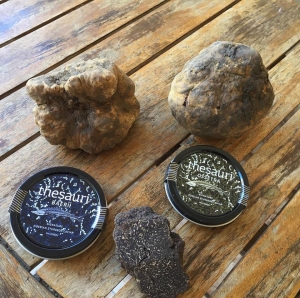
Παρέχουμε τρούφες όλων των ειδών, σε άριστη ποιότητα, καθ' όλη τη διάρκεια του έτους.
We provide truffles of all kinds, in excellent quality, throughout the year.
Don't miss nature's treasure!
| Άμεση παραγγελία | Instant order |
| +30 6944 505931 / +30 6983 798280 |
| Send Email to This email address is being protected from spambots. You need JavaScript enabled to view it. |
Salicornia
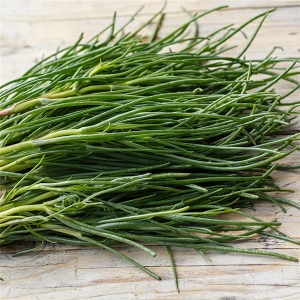
Salicornia is a shrub whose leaves resemble needles, grows in the sand, and is watered by the moisture of seawater. It's the perfect summer salad. Its green shoots are eaten like greens. It is eaten raw, but slightly bitter, its taste is even better. Serve on a plate, pouring lemon oil, or vinegar over it. In addition to salad, the salty taste and accompanies perfectly, fish dishes and seafood.
Fruition: March - June

Salicornia
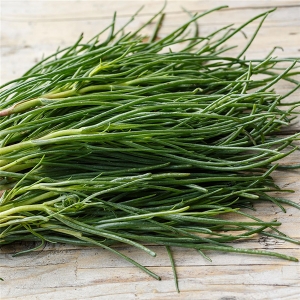
Salicornia is a shrub whose leaves resemble needles, grows in the sand, and is watered by the moisture of seawater. It's the perfect summer salad. Its green shoots are eaten like greens. It is eaten raw, but slightly bitter, its taste is even better. Serve on a plate, pouring lemon oil, or vinegar over it. In addition to salad, the salty taste and accompanies perfectly, fish dishes and seafood.
Fruition: March - June
Pistacia terebinthus
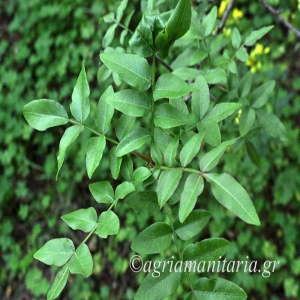
Terebinth is a tree well known in the Mediterranean region for its delicious and spicy fruits. It is related to the pistachio (Pistacia vera) and rope (Pistacia lentiscus), from which the Chios variety is extracted from the mastic.
The leaves of Terebinth are edible and are pickled under the name tsichiravla. They are harvested from late March to late April when they are still small tender shoots before they are fully opened. They are mainly consumed in the area of Magnesia (Volos, Pelion and Northern Sporades) and are considered excellent tsipouro side dish
Fruition: March - May
Pistacia terebinthus
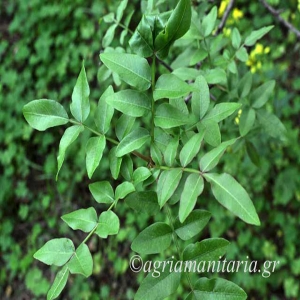
Terebinth is a tree well known in the Mediterranean region for its delicious and spicy fruits. It is related to the pistachio (Pistacia vera) and rope (Pistacia lentiscus), from which the Chios variety is extracted from the mastic.
The leaves of Terebinth are edible and are pickled under the name tsichiravla. They are harvested from late March to late April when they are still small tender shoots before they are fully opened. They are mainly consumed in the area of Magnesia (Volos, Pelion and Northern Sporades) and are considered excellent tsipouro side dish
Fruition: March - May
Muscari comosum
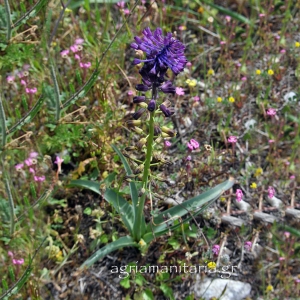
In Greece and especially in Crete it is considered a real delicacy and is harvested in the spring in April and May, with blossom, shoot and bulb. The flowers and shoots are eaten fried in omelets.
The bulbs are etched at their base and boiled at least three times to make them stand out. When softened, place them in a jar filled with vinegar and water. They are kept in the refrigerator for a short time, served with oil and vinegar as frozen salad. They accompany wonderful legumes and meats.
Fruition: February - May
Muscari comosum
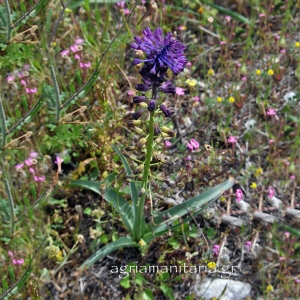
In Greece and especially in Crete it is considered a real delicacy and is harvested in the spring in April and May, with blossom, shoot and bulb. The flowers and shoots are eaten fried in omelets.
The bulbs are etched at their base and boiled at least three times to make them stand out. When softened, place them in a jar filled with vinegar and water. They are kept in the refrigerator for a short time, served with oil and vinegar as frozen salad. They accompany wonderful legumes and meats.
Fruition: February - May
Cynara cardunculus
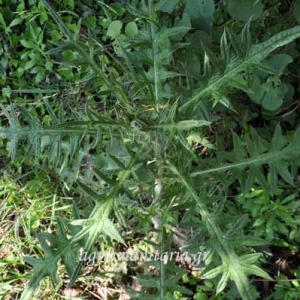
It is an extremely healthy vegetable, cooked like the cultivated artichoke. Its taste is softer, mild and pleasant. Young stalks should be boiled in water to reduce their bitterness and then consumed in salads or pickles. The flower heads are grilled with coarse salt, olive oil and lemon.
Fruition: March - May
Cynara cardunculus
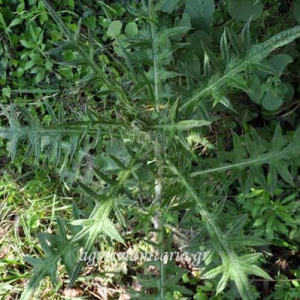
It is an extremely healthy vegetable, cooked like the cultivated artichoke. Its taste is softer, mild and pleasant. Young stalks should be boiled in water to reduce their bitterness and then consumed in salads or pickles. The flower heads are grilled with coarse salt, olive oil and lemon.
Fruition: March - May


